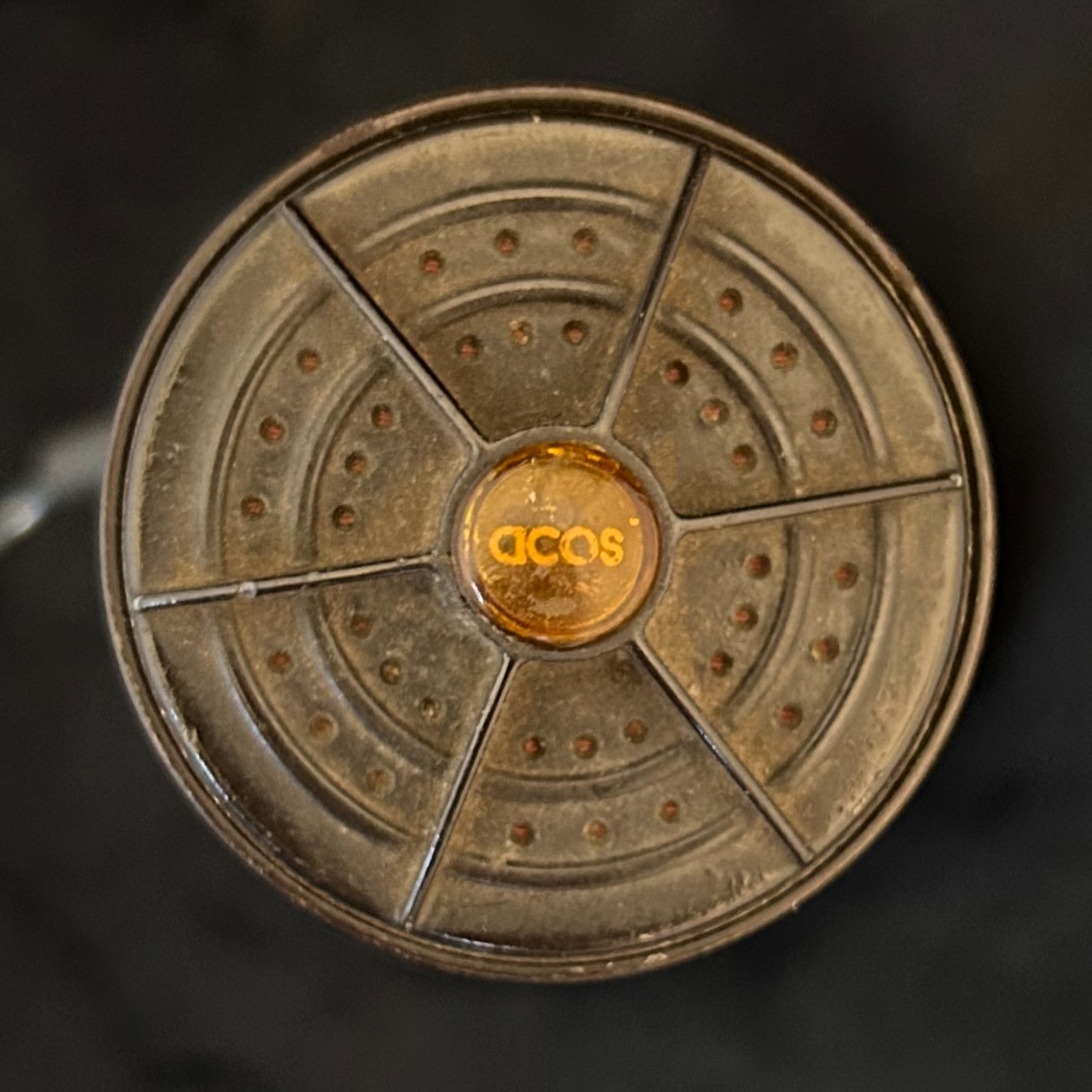
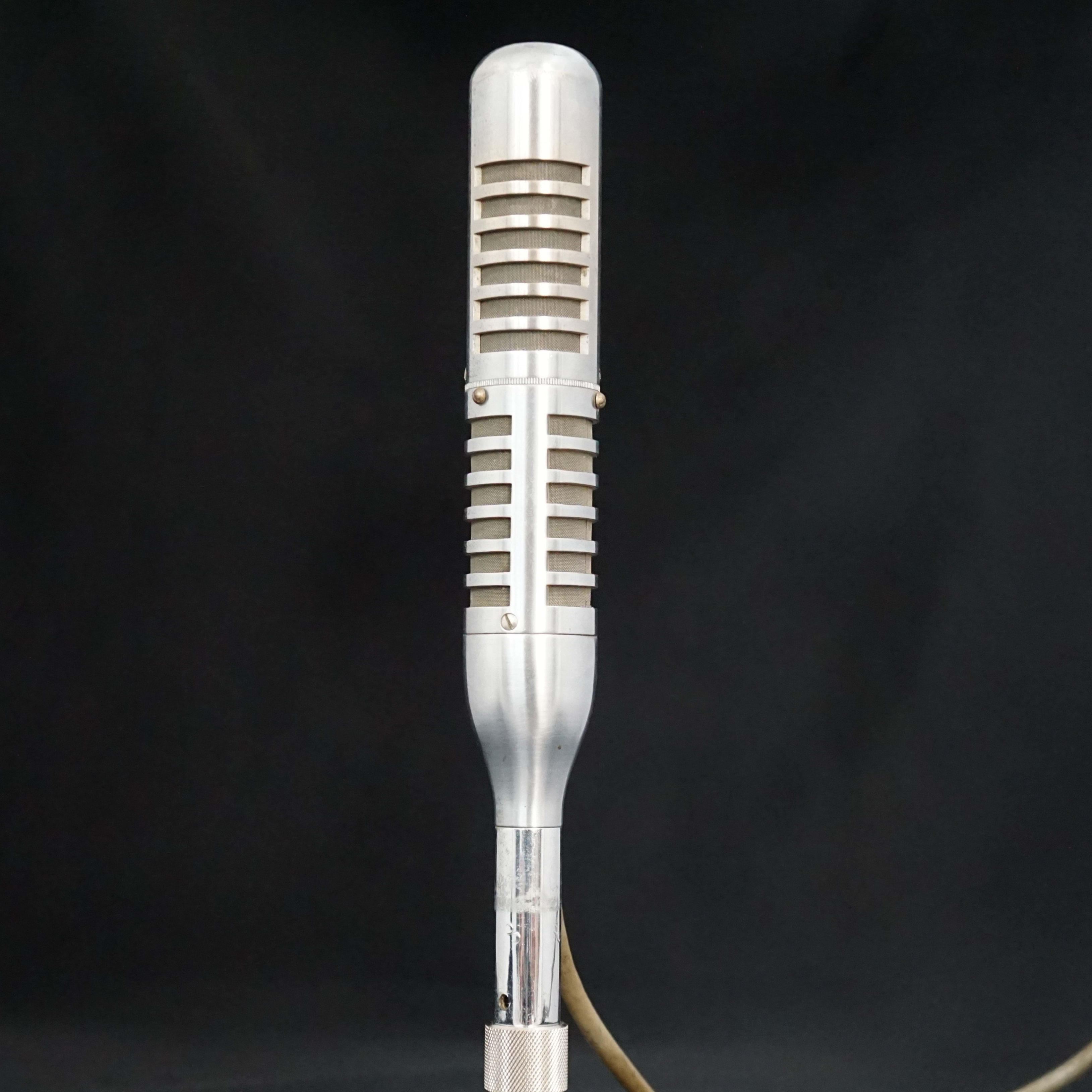
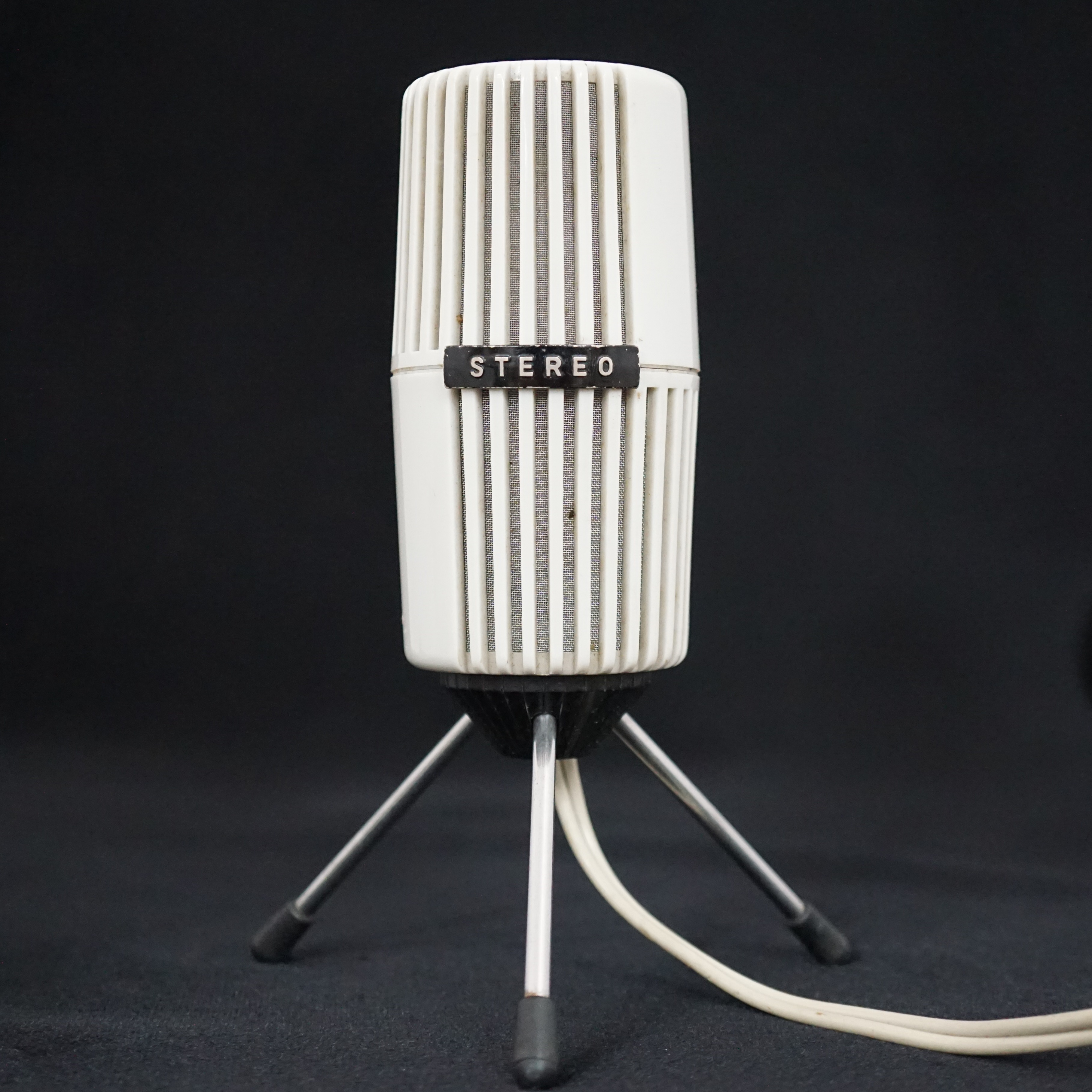
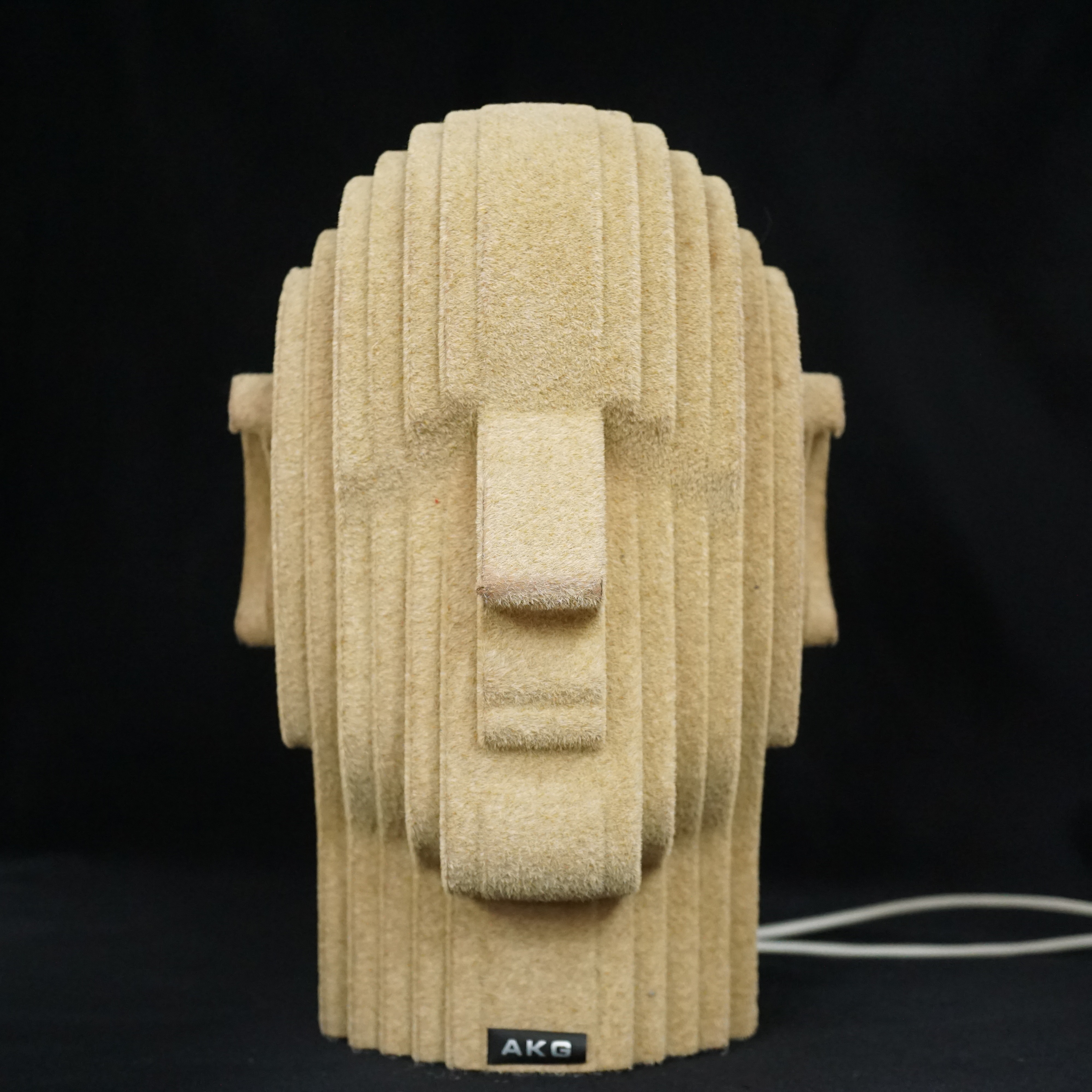
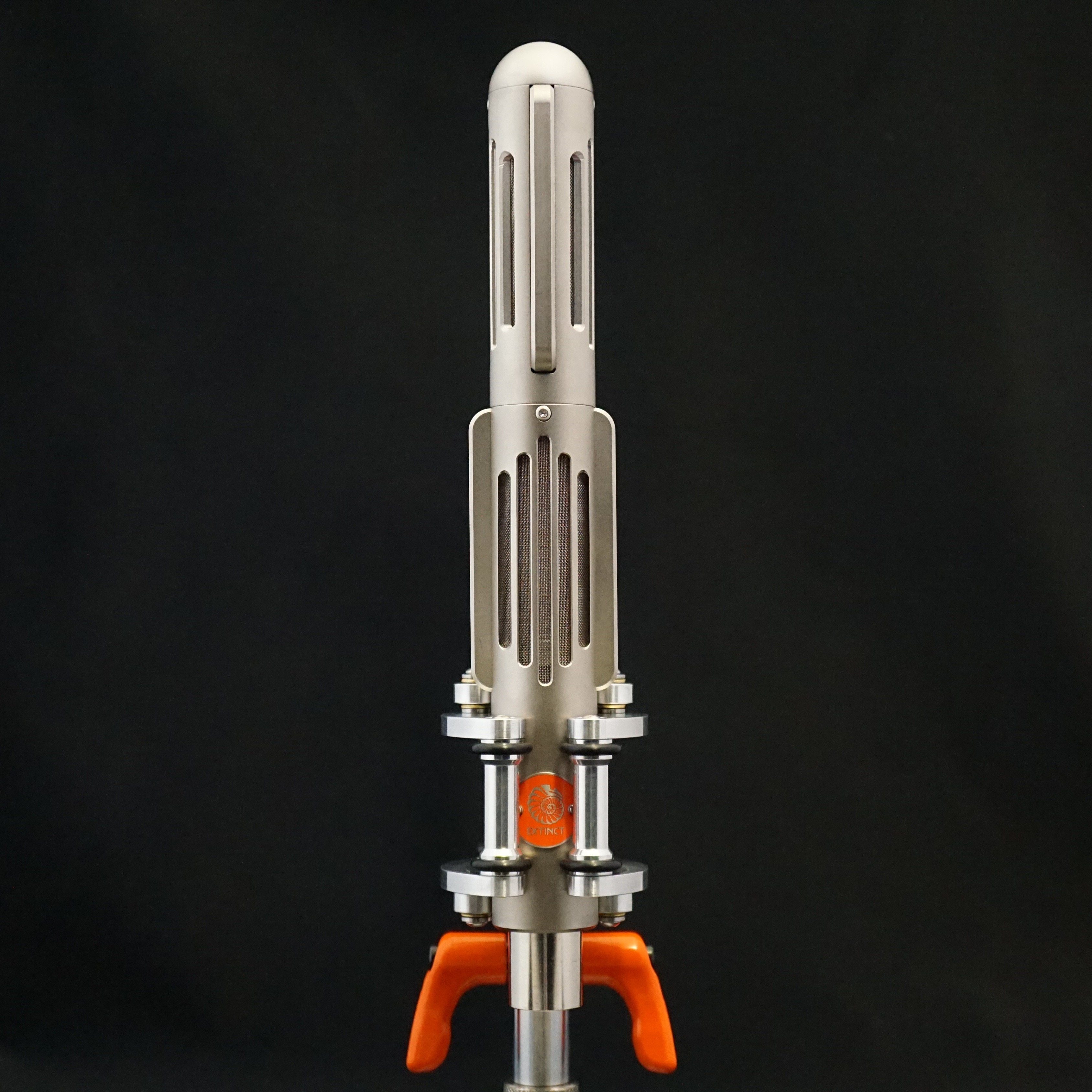
Cosmocord ACOS Mic 44
Manufacturer:
CosmocordModel:
ACOS Mic 44Country of Manufacture:
EnglandMicrophone Type:
PiezoelectricPolar Pattern:
Stereo Figure 8Production Start Year:
1960Production End Year:
1963Rarity:
5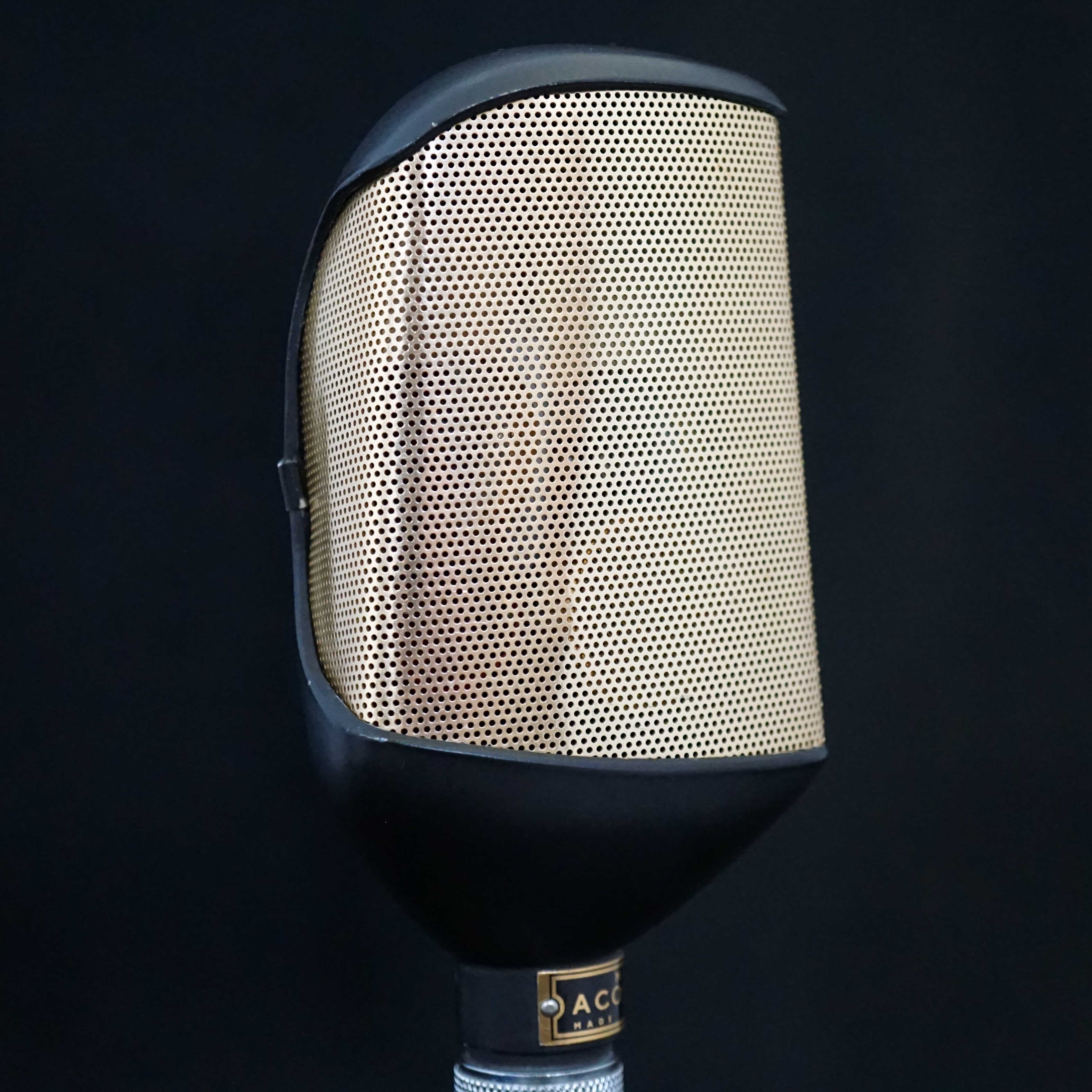
Audio Recordings:
Nylon string guitar recorded with the ACOS 44 stereo crystal microphone.
Multiple quality options available
Speech (male) recorded with the ACOStereo Mic44 crystal microphone, demonstrating the stereo pickup.
Multiple quality options available
Microphone History:
The ACOStereo Mic 44 was launched in 1960 at the National Radio Show at Earls Court in London, England. Cosmocord were already using the name 'ACOStereo' for their phonograph cartridges and so a stereo microphone would have been an obvious addition to their range.
A photograph of this microphone appeared in Tape Recorder magazine (UK) in July 1960, and the following description was printed in Wireless World in September of the same year (p 449):
"Microphones on show include the stereo Mic44 in which two pairs of crystal inserts are used to produce a double figure-of-eight response up to about 8 kHz with the individual element responses extending still higher (up to about 12 kHz).Cosmocord Ltd., Eleanor Cross Road, Waltham Cross, Herts."
An advertisement in a 1961 edition of Wireless World claims...
"Stereo tape recording has come to stay. If you want first-rate stereo sound in the end, you must have a first-rate stereo microphone from the start. This microphone must have the same balanced, wide-frequency response as a mono mike, and in addition achieve separation of all sound into two separate channels. Acos microphones have long been amongst the best in the world; Acos are the leading pioneers in stereo. No wonder, therefore, that the new ACOStereo microphone is strictly in the champion class for performance, separation, good looks and good value."
Mic44 is also mentioned in a 1963 edition of Wireless World, and that is the last we heard about it
Technical Description:
MoMics note: This is an extremely unusual thing - a stereo crystal microphone. Most crystal elements are omnidirectional which makes it difficult to produce a single point stereo recording from two transducers. The MIC44 solves this problem by using two pairs of crystal capsules each with one in front of the other. The rear transducer of each pair is wired reverse-polarity, which simulates an overall figure-8 pattern. The overall effect is similar to a Blumlein pair, albeit with wider pickup angle than a ribbon, and hence a less exaggerated stereo image. The body of the microphone is made of two cast parts, which are held together by a long solid bolt through the centre of the microphone, and an atttactive gold metal grill is in place to keep the dirt out. It contrasts nicely with the black body. Connection to the outside world is made through a 3-pin plug which is similar but not identical to the Amphenol plugs used on early Shure microphones, and they are compable if one files off the raised ridge on the plug. The outputs from the two stereo signals share a pin as common ground, and one pin for each high impedance channel.
The MIC44 was not sold for long, and would no doubt have been superseded by better (at least on paper) stereo ribbons and condenser microphones. However we think our ACOStereo microphone sounds rather charming.
From a 1961 ad.
"The new ACOStereo MIC 44 is a fully stereophonic microphone, operating on the coincident phase principle. It contains two inserts with figure-eight characteristics, at 90 degrees to each other, giving overall clover-leaf response with first-rate channel separation.
Output -68 dB ref 1V/dyne/cm-1
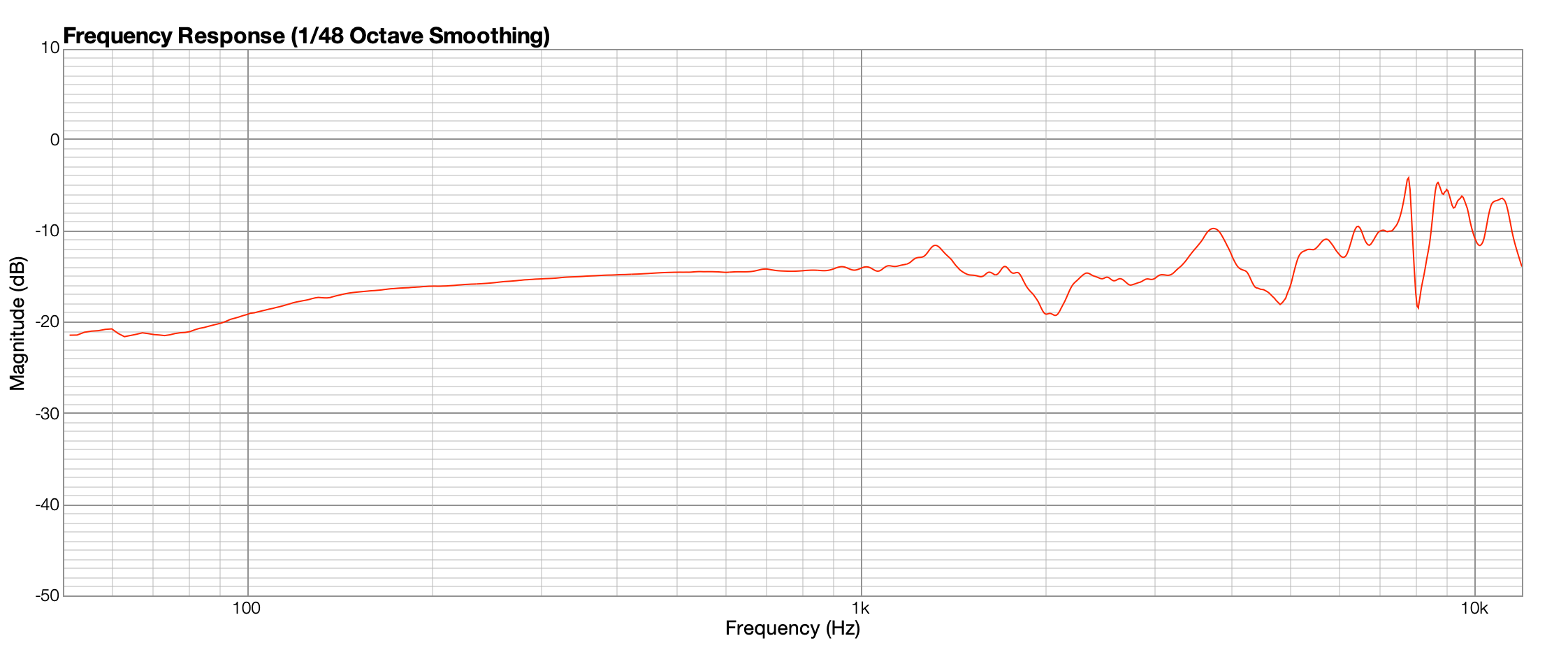
Frequency response 50-8,000 Hz
Separation better than 12 dB at 1 kHz
UK retail price £6.6.0."
Frequency Response:
Impulse Response File:
Impulse Response file of the MIC44 stereo crystal microphone.
ACOStereo44_IR.wav